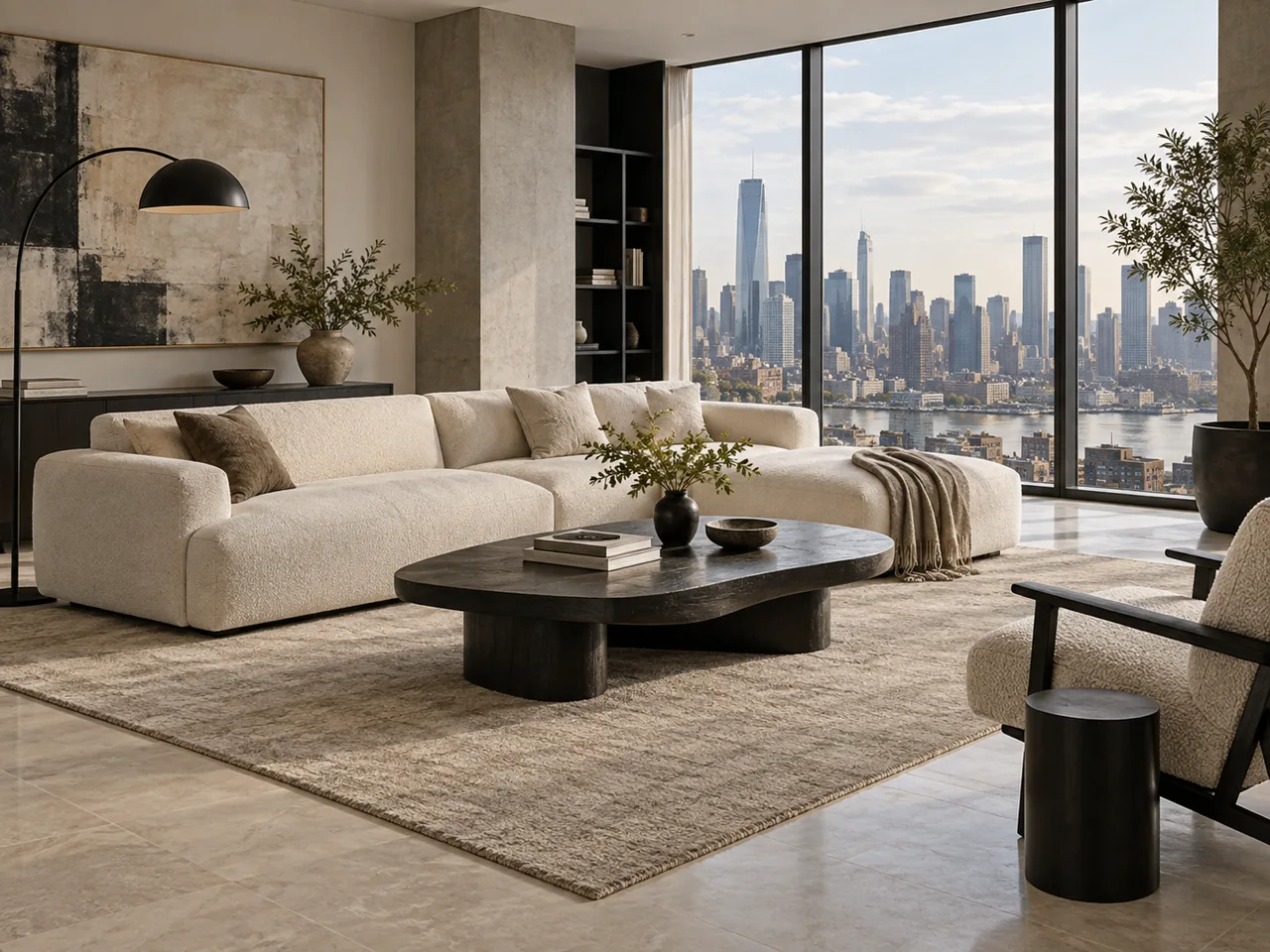
Contemporary
Clean lines, balanced proportions and adaptable pieces for residential and commercial spaces.
Materials Wood · metal · glass · stone · upholstery
Explore StyleExplore material palettes and product directions for your next project.
Clean lines, balanced proportions and adaptable pieces for residential and commercial spaces.
Materials Wood · metal · glass · stone · upholstery
Explore Style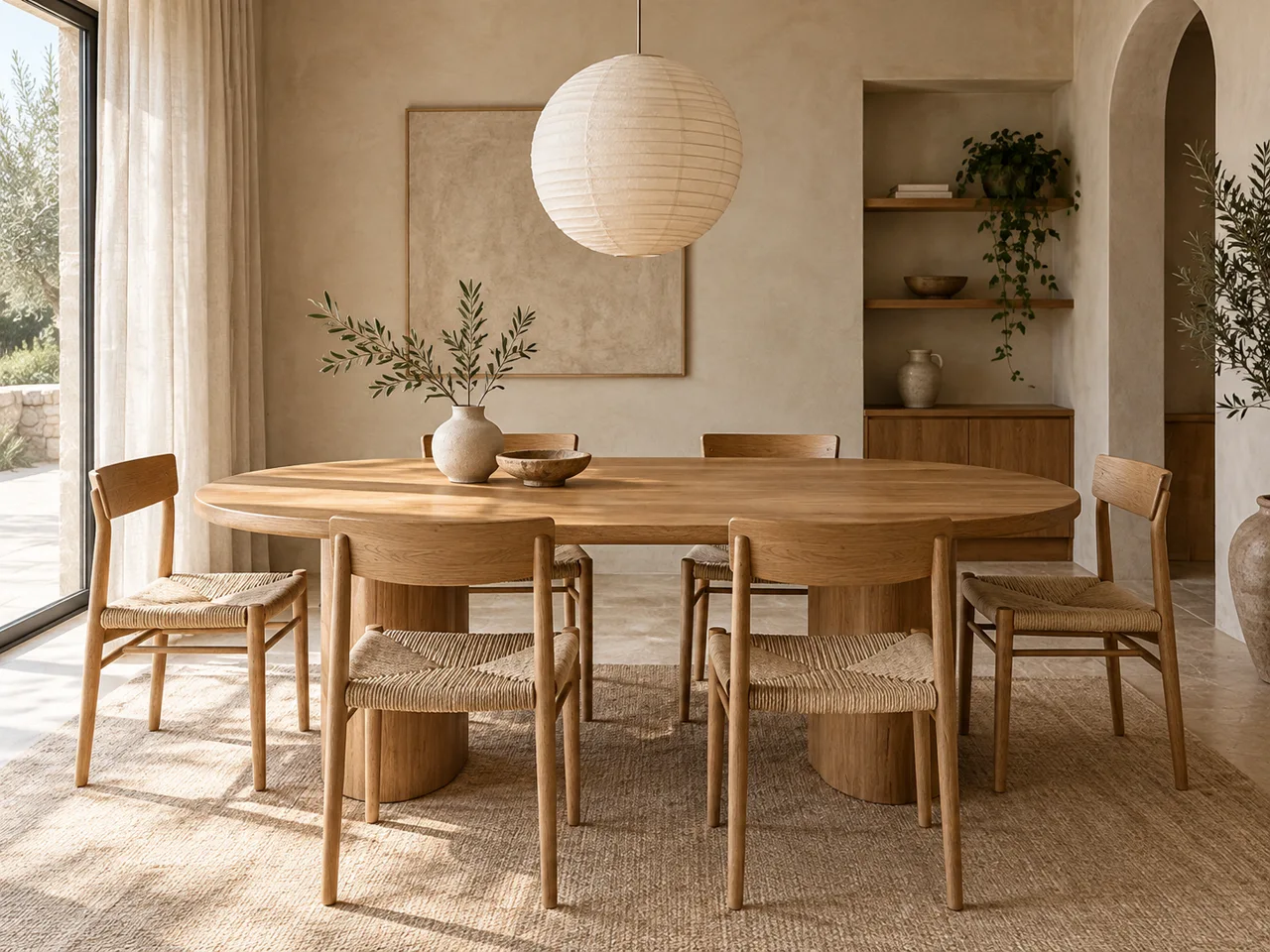
Quiet forms, practical comfort and warm natural materials, with an emphasis on proportion and joinery.
Materials Oak · ash · linen · woven surfaces · ceramic
Explore Style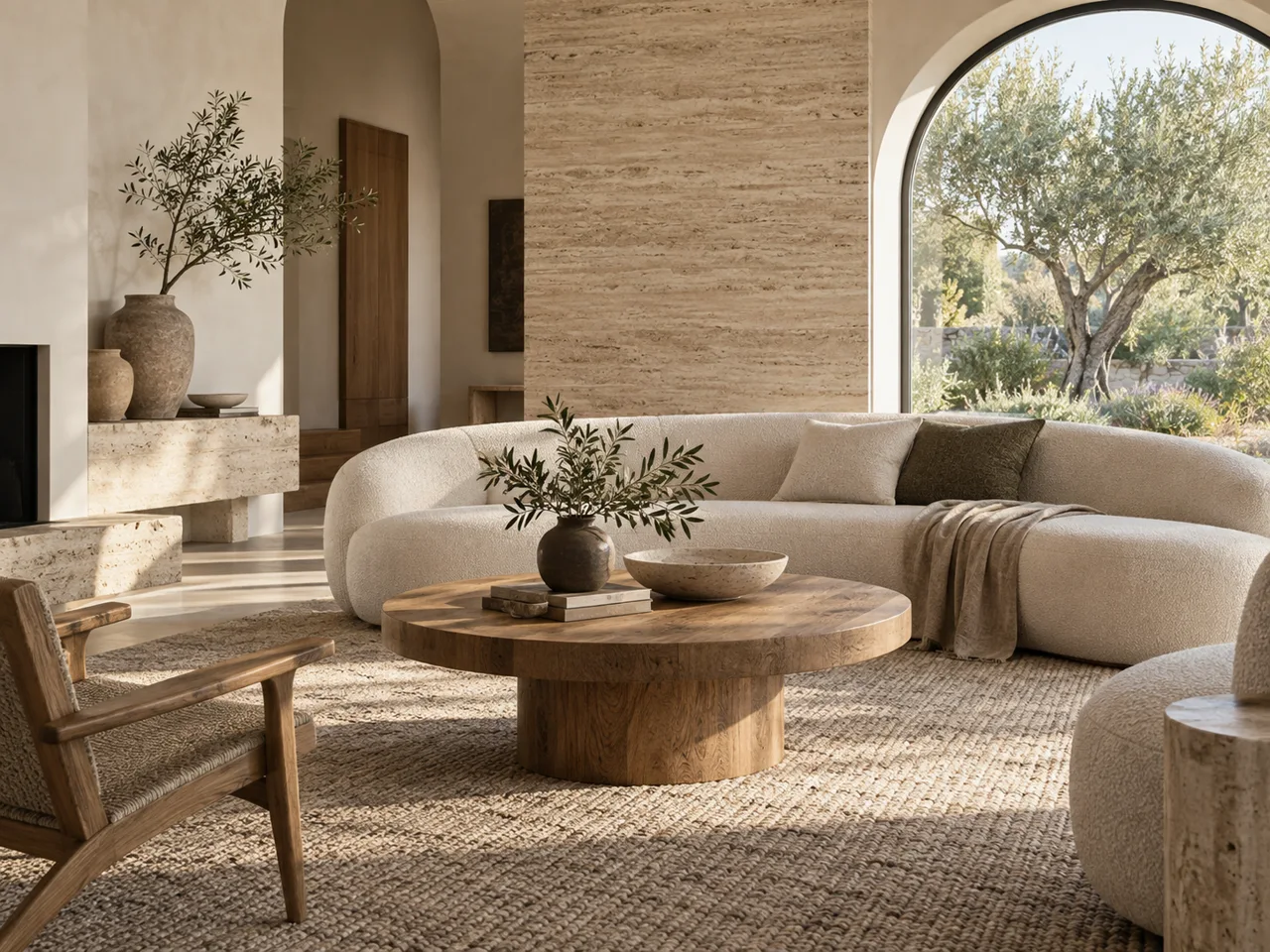
Soft silhouettes, natural textures and earthy tones that bring a relaxed material character to a space.
Materials Stone · wood · linen · clay · natural fibres
Explore Style
Tailored silhouettes, rich upholstery and restrained metallic accents for refined homes and hospitality spaces.
Materials Marble · walnut · brushed metal · velvet · glass
Explore Style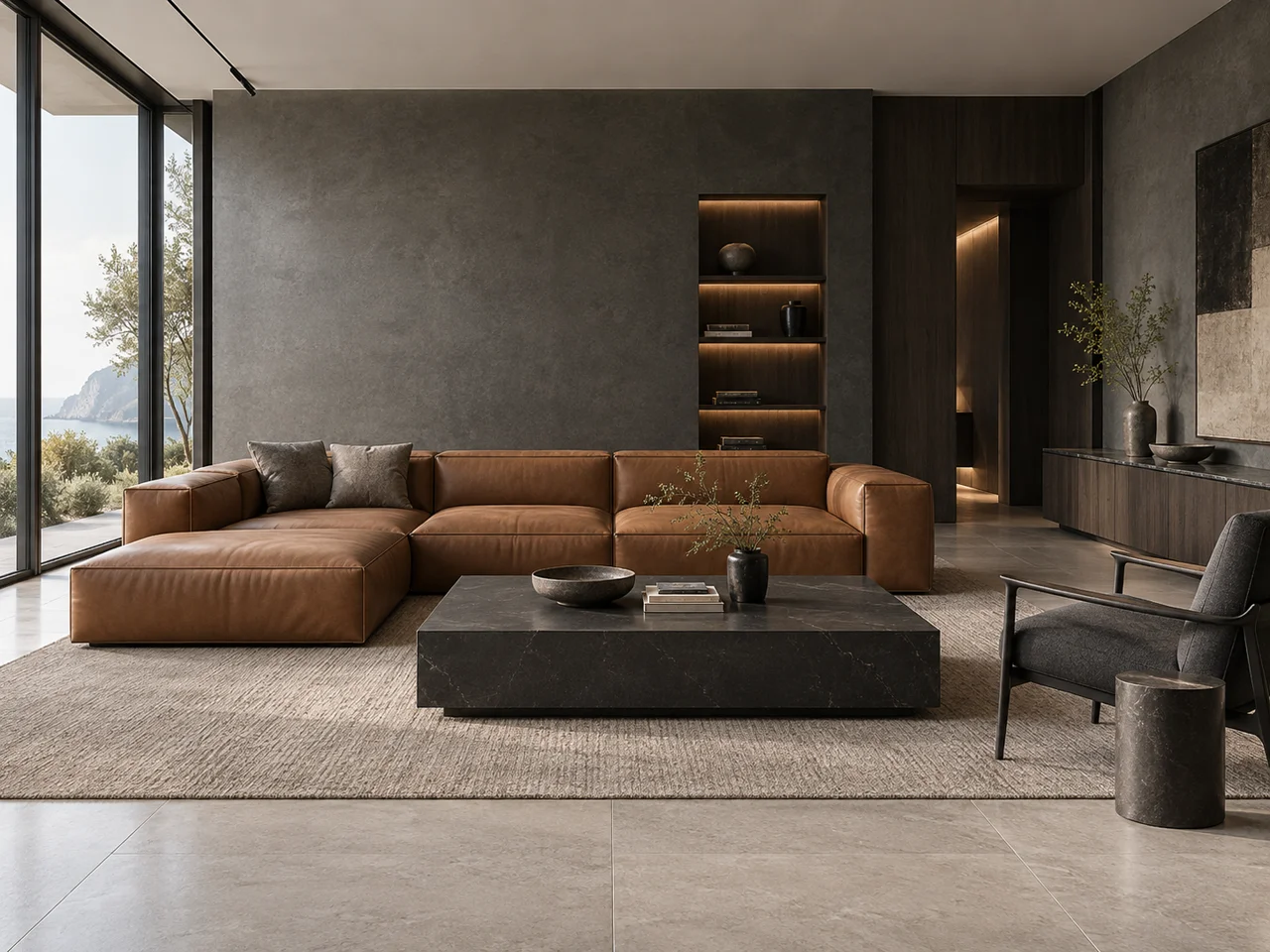
Low-profile forms, precise proportions and confident material contrasts, with every detail serving the space.
Materials Leather · smoked oak · dark stone · matte metal · glass
Explore Style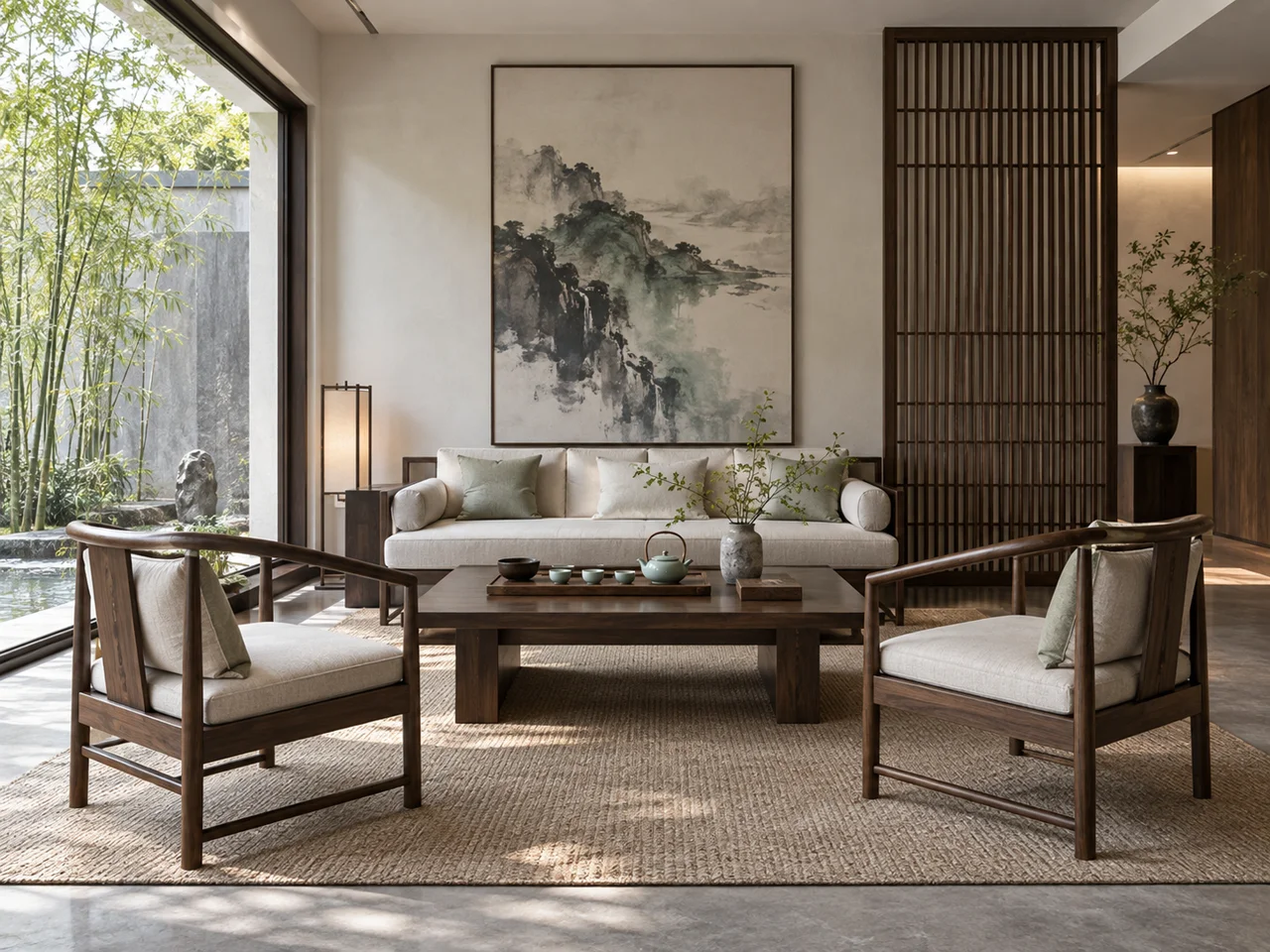
Contemporary comfort with Chinese-inspired timber frames, balanced compositions and subtle natural textures.
Materials Walnut · elm · linen · woven panels · ceramic
Explore StyleImages illustrate style directions; they are not supplier project references or product specifications.
Save the styles, product references and applications relevant to your project.
Specify finishes, dimensions and quantities before comparing quotations.
Discuss sample availability, costs and approval criteria with the supplier.
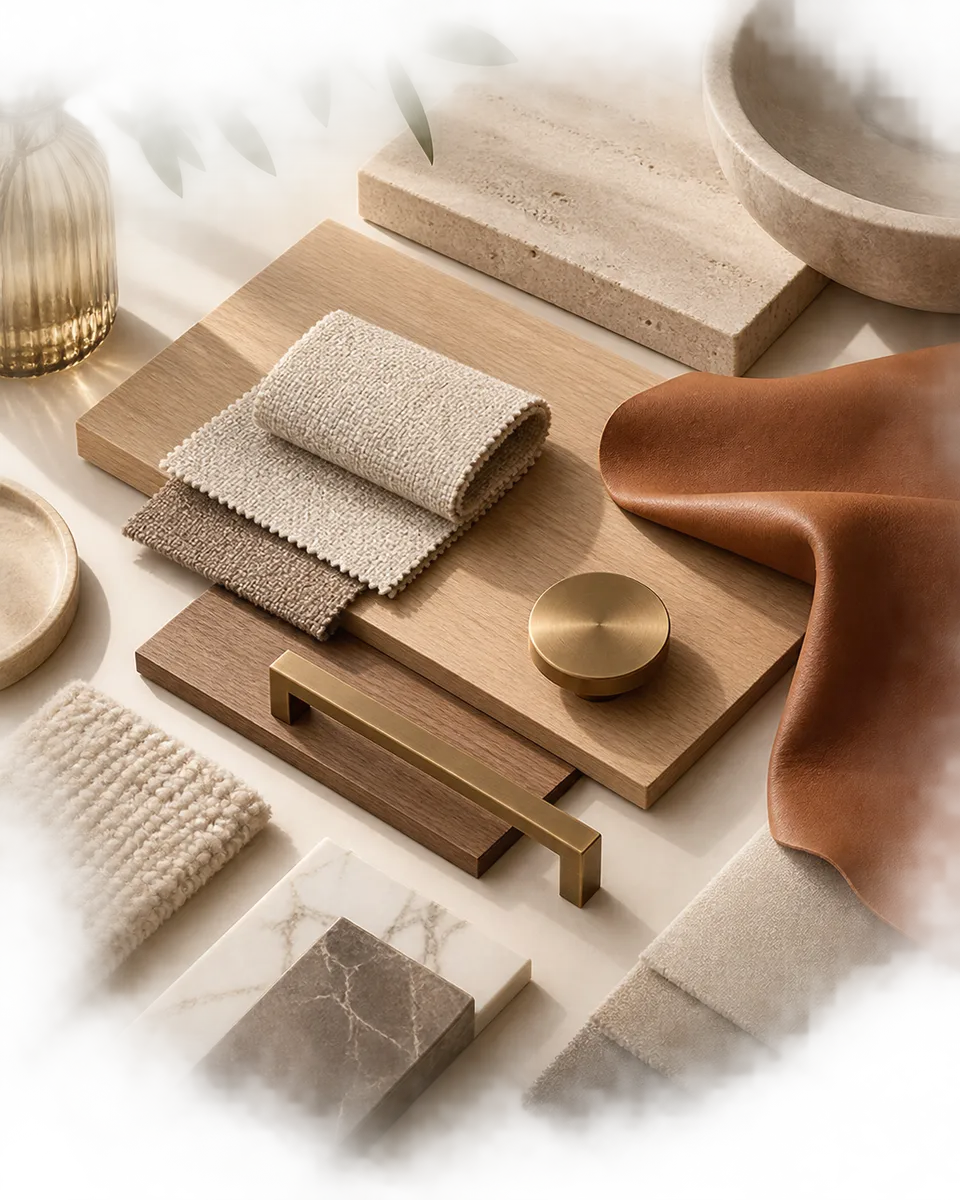
A style is a starting point, not a complete specification. Compare materials and finishes across furniture, lighting and building materials before you place an order.
Share dimensions, quantities and reference images with suppliers. Request samples when colour, texture or comfort is important to the project.
No. Use it to communicate the direction, then confirm dimensions, construction, materials and finishes in a written specification.
Ask the supplier about sample availability, cost, delivery and whether the approved sample will be retained as the production reference.
Discuss feasibility, quantities and any tooling with the manufacturer. A reference image alone does not confirm production availability.
Share the product, quantity, specifications and destination.